PuzzleFree
Boost Memory & Focus with Puzzles
December 9, 2025
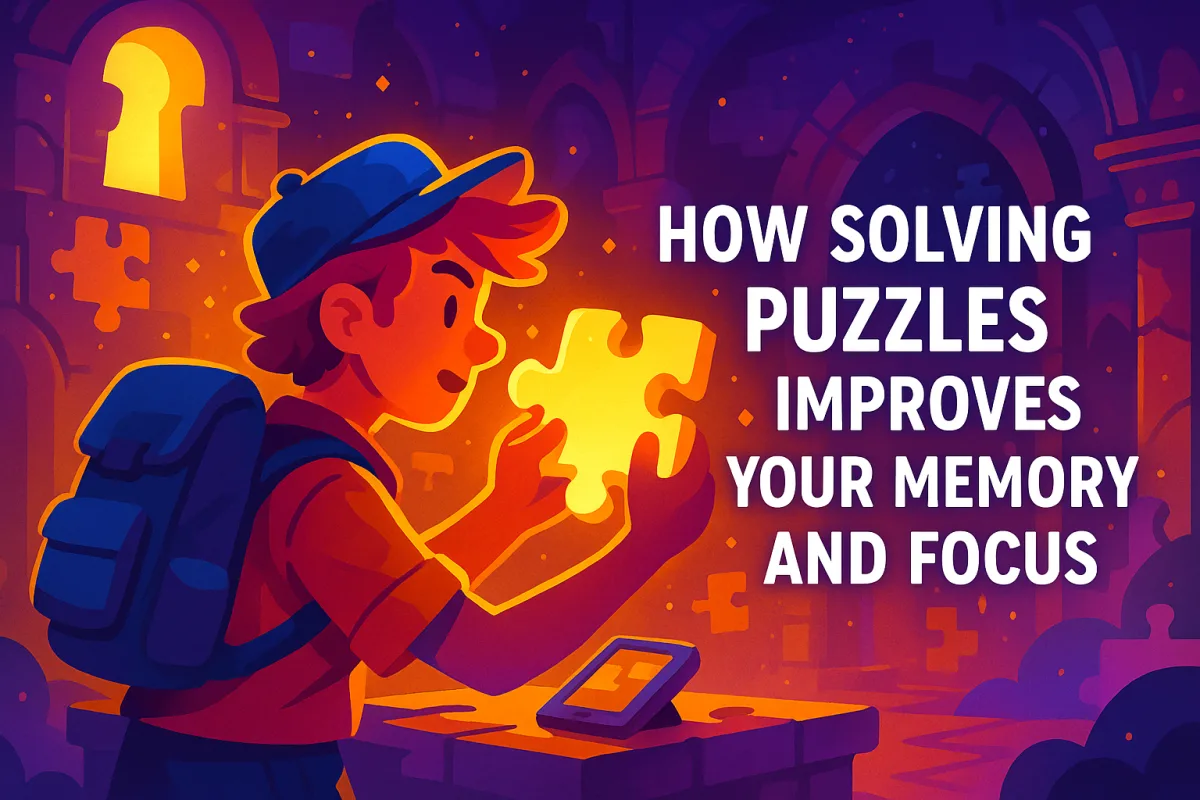
Solving puzzles may look like a simple hobby, but behind each piece and pattern lies a powerful cognitive workout. Whether you’re assembling a jigsaw puzzle, cracking a logic grid, or completing a digital puzzle challenge, you’re actively strengthening the neurological systems responsible for memory, focus, and long-term learning. This article breaks down the science behind puzzles, explains how they improve mental performance, and offers practical advice for integrating puzzle-based training into your daily routine.
Why Puzzles Are a Powerful Brain-Training Tool
Puzzles naturally combine visual processing, spatial reasoning, and pattern recognition. When you scan for shapes or recall where a piece might fit, you engage both the short-term and working memory systems. At the same time, puzzles require sustained attention — a skill many people struggle with in a distraction-heavy world.
The Memory and Focus Connection
Memory and focus rely on overlapping neural networks. When you improve one, the other often benefits. Puzzles stimulate these networks by asking your brain to juggle multiple micro-tasks at once: hold information, evaluate options, compare shapes, and track progress. This repeated activation strengthens neural pathways over time.
The Cognitive Benefits of Puzzle Solving
While puzzles are enjoyable, their cognitive effects are measurable and long-lasting. Researchers often compare puzzle-solving to physical activity for the brain — gentle enough for everyday use but powerful enough to build endurance.
1. Improved Short-Term Memory
Jigsaw and logic puzzles require you to remember specific details: colors, piece locations, patterns, or previous attempts. Each repetition enhances your ability to store and retrieve small bursts of information.
2. Stronger Working Memory
Working memory is your mental “workspace.” It holds information temporarily while you manipulate or use it. Puzzles challenge working memory constantly, making it more efficient over time.
3. Increased Attention Span
Puzzles train your mind to stay on a single task for longer periods. This builds sustained attention — the type of concentration needed for deep work, studying, or complex problem-solving.
4. Better Pattern Recognition
Recognizing patterns is a foundational cognitive skill. Puzzles sharpen this ability by requiring your brain to connect tiny visual clues into bigger structures.
How Puzzle Difficulty Affects Cognitive Gains
The right level of difficulty is essential. If a puzzle is too easy, your brain doesn’t stretch. If it’s too hard, you’ll likely disengage. The best cognitive benefit appears when the puzzle sits in the “challenge zone,” where effort is required but frustration stays low.
| Difficulty Level | Primary Cognitive Benefit |
|---|---|
| Easy | Light focus, relaxing mental reset |
| Moderate | Improved working memory and attention |
| Hard | Enhanced problem-solving and deep concentration |
The Neurochemistry Behind Puzzle Solving
Puzzles stimulate the release of dopamine — the reward and motivation neurotransmitter. Each time you place a correct piece or solve a step, your brain rewards you with a small dopamine boost. This chemical reinforcement encourages continued focus and makes you more likely to finish the task.
“Dopamine is your brain’s way of saying: keep going, you’re on the right track.”
Practical Ways to Train Memory and Focus with Puzzles
Improving memory doesn’t require hours of daily effort. Even short, consistent puzzle sessions have measurable benefits.
Build a Daily Puzzle Routine
- Start with 10–15 minutes of puzzles per day.
- Mix puzzle types to stimulate different brain regions.
- Increase difficulty gradually to avoid plateauing.
- Use digital puzzles when you need a quick, portable option.
Combine Puzzles with Focus Training
Pair puzzle-solving with focus-enhancing habits to amplify results:
- Turn off notifications during puzzle time.
- Use soft ambient music to maintain concentration.
- Try time-boxed sessions (e.g., 20-minute bursts).
Track Your Cognitive Progress
Many modern puzzle apps include analytics tools that show how your speed, accuracy, and solving patterns evolve. Tracking improvement is motivating and helps you adjust difficulty levels for optimal cognitive growth.
Why Puzzles Work for All Ages
The brain remains plastic throughout life, meaning it can adapt and grow at any age. Children develop stronger problem-solving foundations, adults boost productivity and mental clarity, and older adults maintain sharp memory and cognitive resilience.
Conclusion: A Simple Habit with Big Cognitive Rewards
Solving puzzles isn’t just entertainment — it’s a structured, rewarding way to enhance memory, sharpen focus, and improve mental performance. Whether you’re assembling a jigsaw puzzle in the evening or completing quick digital puzzles on your phone, each session is a powerful exercise for your brain. With consistent practice, you’ll notice clearer thinking, better recall, and stronger concentration across all areas of life.