PuzzleFree
Solve Puzzles Faster: 15 Proven Techniques
December 17, 2025
Whether you enjoy jigsaw puzzles as a relaxing hobby or treat them as a personal challenge, most players eventually ask the same question: how can I solve puzzles faster without losing the fun? Speed in puzzle solving is not about rushing. It’s about using the right techniques, training your attention, and working smarter instead of harder. In this guide, we’ll break down 15 proven methods that experienced puzzlers use to improve speed, accuracy, and overall enjoyment.
Understanding What “Faster” Really Means
Solving puzzles faster doesn’t mean forcing yourself to hurry. It means reducing wasted moves, improving pattern recognition, and staying focused. Speed naturally increases as your brain learns how to filter useful information.
“Fast puzzle solvers don’t see more pieces — they see fewer, but more relevant ones.”
Preparation Techniques Before You Start
1. Choose the Right Difficulty
If a puzzle is far above your skill level, speed improvements will be minimal. Start slightly above your comfort zone and increase difficulty gradually.
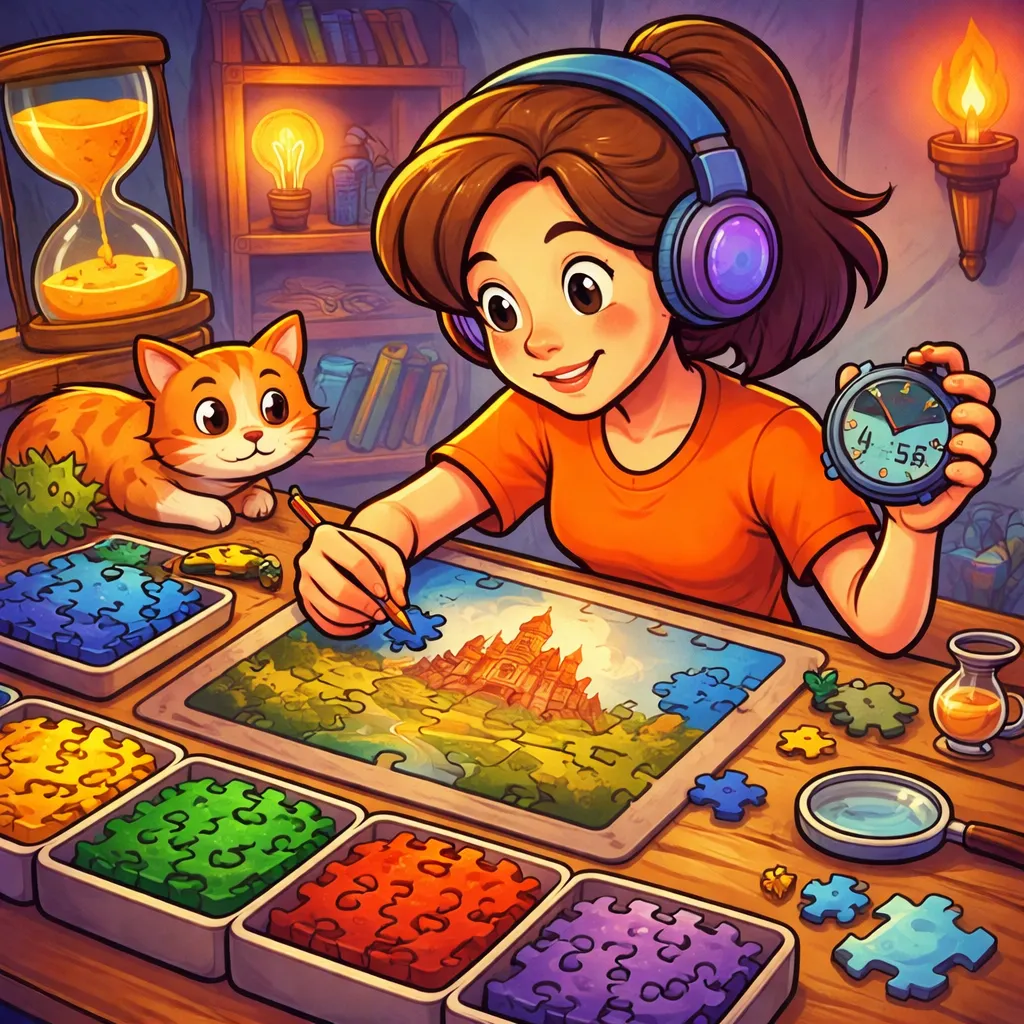
2. Sort Pieces Before Assembling
Sorting is one of the most effective time-saving steps.
- Separate edge pieces
- Group by dominant colors
- Identify unique patterns or textures
3. Work in a Clean, Well-Lit Space
Good lighting reduces eye fatigue and helps your brain recognize shapes and colors faster.
Core Puzzle-Solving Techniques
4. Always Start with the Edges
Completing the frame creates structure and limits the working area, making the rest of the puzzle easier.
5. Build Small Sections First
Instead of jumping randomly, complete recognizable areas like skies, buildings, or characters.
6. Use Shape Recognition, Not Just Color
Advanced solvers rely heavily on piece shapes, tabs, and blanks rather than color alone.
7. Rotate Pieces Mentally
Train yourself to visualize how a piece might fit without physically rotating it each time.
8. Avoid Forcing Fits
If a piece doesn’t fit easily, it’s probably wrong. Forcing wastes time and creates confusion later.
Focus and Mental Optimization
9. Work in Short, Focused Sessions
20–30 minute sessions maintain peak concentration better than long, unfocused attempts.
10. Reduce Distractions
Background noise, notifications, and multitasking significantly slow puzzle-solving speed.
11. Take Strategic Breaks
Your brain continues processing patterns even when you step away. Many “stuck” moments resolve after a short break.
Advanced Techniques Used by Experienced Solvers
12. Scan, Don’t Search
Instead of actively searching for one piece, scan groups of pieces passively. This reduces cognitive overload.
13. Learn Your Weak Zones
Notice which puzzle types slow you down the most.
| Common Weak Area | Improvement Strategy |
|---|---|
| Large color gradients | Sort by subtle shade changes |
| Repeating patterns | Focus on piece shape first |
| Dark or monochrome areas | Adjust lighting and contrast |
14. Practice Consistently
Speed comes from repetition. The more puzzles you solve, the faster your brain recognizes patterns.
15. Use Digital Puzzles to Train
Online puzzles allow adjustable difficulty, undo options, and faster resets. Platforms like PuzzleFree.Game are especially useful for practicing speed because you can solve multiple puzzles daily without setup time.
Why Digital Practice Improves Real Skills
Digital puzzles remove physical limitations and let you focus purely on strategy and pattern recognition. Skills learned online transfer directly to physical puzzles.
Conclusion: Speed Comes Naturally with Smart Techniques
Solving puzzles faster is not about talent — it’s about technique. By preparing properly, using proven methods, and training your focus, you’ll naturally become quicker and more confident. Whether you solve puzzles for relaxation or challenge, these 15 techniques will help you enjoy the process while steadily improving your speed.