PuzzleFree
Digital Jigsaw Puzzles: Ultimate Guide & Expert Tips
February 9, 2026
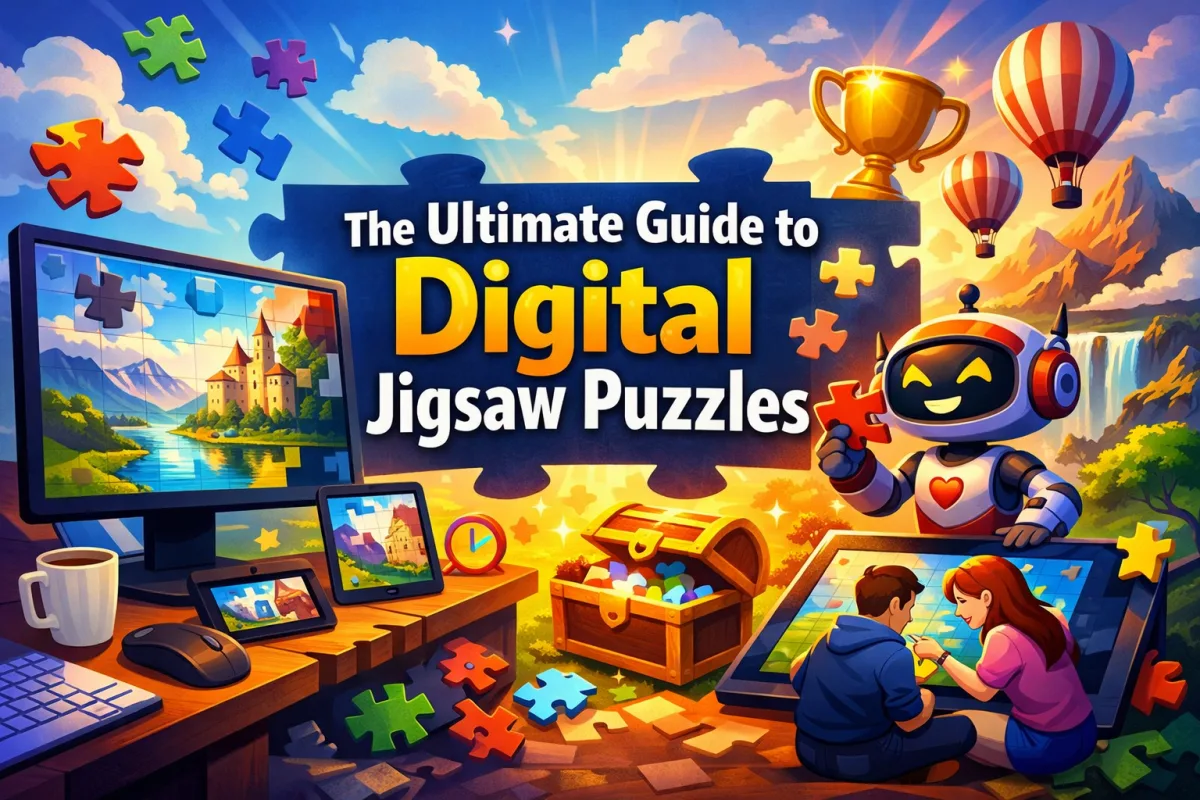
Digital jigsaw puzzles transform the traditional pastime into interactive experiences playable on computers, tablets, and smartphones. These virtual adaptations retain the core appeal of physical puzzles—assembling fragmented images into complete pictures—while adding unique capabilities only possible in digital formats. As puzzle enthusiasts increasingly embrace these modern alternatives, the digital puzzle ecosystem continues to expand with diverse options catering to players of all preferences.
Understanding Digital Jigsaw Puzzles
Digital jigsaw puzzles are virtual recreations of traditional puzzles that exist entirely on electronic devices. Unlike their cardboard counterparts, these puzzles function through touch or mouse interactions, allowing players to manipulate pieces on screens rather than physical surfaces. They span various platforms from dedicated websites to specialized apps, offering experiences that range from straightforward adaptations of classic puzzles to innovative games with enhanced features.
The Evolution from Physical to Digital
The journey from wooden and cardboard puzzles to today's digital versions traces alongside computing evolution. Early digital puzzles appeared as simple computer games in the 1990s, offering basic functionality with limited graphics. The touchscreen revolution of the 2000s transformed the experience, making manipulation of puzzle pieces more intuitive and similar to physical interaction. Today's tablets and high-resolution displays render puzzles with stunning clarity, bridging the gap between traditional tactile experiences and digital convenience.
Benefits of Digital Jigsaw Puzzles
Digital puzzles offer significant practical advantages over traditional formats. The absence of physical storage requirements means enthusiasts can access thousands of puzzles without cluttering their homes. Many players appreciate the ability to puzzle anywhere—during commutes, in waiting rooms, or while traveling—without worrying about losing pieces. Digital formats also allow instant switching between multiple puzzles based on mood or available time, something impractical with physical sets that require complete disassembly before starting a new image.
For those who enjoy puzzles as a relaxing activity, digital versions offer customizable experiences tailored to personal preferences and abilities. Many users report that the combination of engaging visuals and satisfying interactions creates a focused yet relaxed state, making digital puzzles popular choices for unwinding after busy days.
Accessibility and Convenience Features
Digital puzzles introduce helpful functions impossible in physical formats. Most platforms offer instant sorting of edge pieces, color grouping, and rotation assistance that remove frustrating barriers for beginners. Zoom capabilities let players examine detailed sections closely, while auto-save features preserve progress automatically—eliminating the disappointment of accidentally bumping a nearly-completed physical puzzle.
Adjustable difficulty settings accommodate various skill levels, allowing players to start with fewer pieces and gradually increase complexity as their abilities improve. Many platforms also offer hints or assistance options that help users overcome challenging sections without giving up entirely.
No Missing Pieces - A Major Advantage
The perpetual completeness of digital puzzles addresses perhaps the greatest frustration of physical puzzles—missing pieces. Many puzzle enthusiasts have experienced the disappointment of discovering a missing piece after hours of assembly. Digital formats eliminate this problem entirely, guaranteeing that every puzzle remains permanently complete and solvable, regardless of how many times it's assembled.
Challenges and Limitations of Digital Puzzles
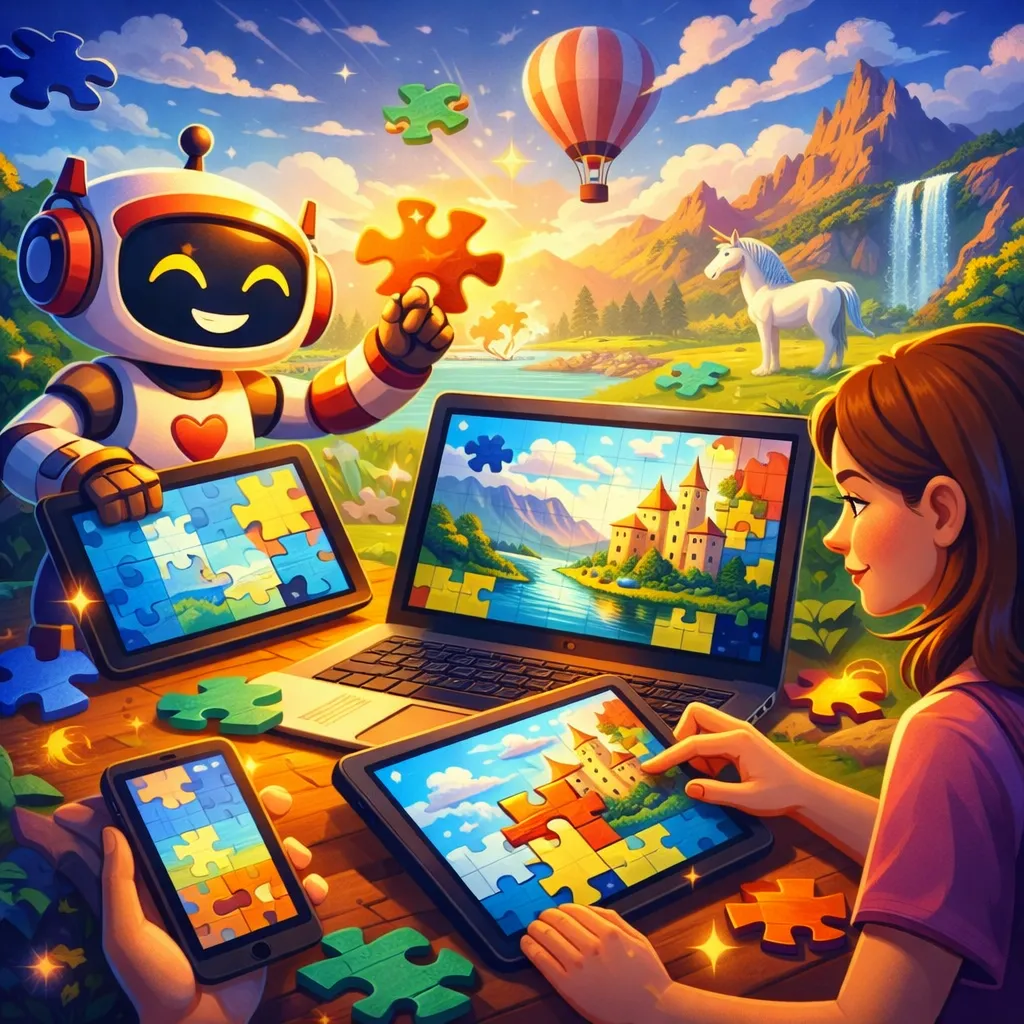
Despite their advantages, digital puzzles present distinct drawbacks. Extended screen time can cause eye fatigue, especially when focusing intently on detailed puzzle sections. The blue light emitted by devices may affect sleep quality when puzzling in the evening hours. Many longtime puzzle enthusiasts also note the absence of tactile satisfaction—the feel of pieces clicking together provides sensory feedback that screens cannot replicate.
The physical dimensionality of traditional puzzles creates a different spatial awareness experience that some players miss in flat digital versions. Additionally, the shared physical space of a table puzzle naturally facilitates in-person social interaction in ways that even the best multiplayer digital puzzles struggle to match.
Types of Digital Jigsaw Puzzle Platforms
Digital jigsaw puzzles are available through two primary platform types, each with distinct characteristics. Browser-based puzzles run directly in web browsers without requiring downloads or installation. These platforms typically offer immediate access and compatibility across devices but may depend on internet connections. PuzzleFree.Game represents this category, providing browser-based puzzles that players can access instantly without downloads.
In contrast, downloadable applications offer dedicated experiences optimized for specific devices. These apps frequently provide more advanced features, smoother performance, and offline play capabilities, though they require installation and periodic updates. Understanding the differences between these platform types helps players choose options that best match their preferences and usage patterns.
Mobile Apps vs. Browser-Based Games
Mobile apps and browser-based games offer different advantages for puzzle enthusiasts. Mobile applications typically provide optimized touch controls specifically designed for smaller screens and tablet interfaces. They often feature offline play capabilities, allowing puzzling without internet connections—perfect for travel or areas with limited connectivity. Many apps offer push notifications for daily puzzles and achievement systems that encourage regular engagement.
Browser-based platforms provide instant access without downloads, making them ideal for occasional players or those using shared devices. These services typically work across multiple device types without requiring separate versions for different operating systems. Many browser puzzles offer seamless synchronization between devices, allowing players to start on a computer and continue later on a tablet or phone.
| Feature | Mobile Apps | Browser Games |
|---|---|---|
| Installation Required | Yes | No |
| Offline Play | Usually available | Rarely available |
| Device Optimization | Highly optimized | Variable optimization |
| Updates | Manual or automatic | Automatic |
| Storage Impact | Uses device storage | Minimal storage use |
Innovative Features of Digital Jigsaw Puzzles
Modern digital puzzles incorporate creative features that transform the traditional puzzle experience. Many platforms implement achievement systems that reward completion milestones, streak maintenance, and challenge accomplishments—creating progression frameworks that keep players engaged beyond individual puzzles. Timed modes add friendly competition, while daily puzzle challenges establish regular engagement patterns that build consistent playing habits.
Advanced platforms incorporate subtle animation effects when pieces connect correctly, providing visual feedback that compensates for the missing physical "click" sensation of traditional puzzles. Some systems include ambient background sounds that match puzzle themes—gentle waves for beach scenes or soft birdsong for forest images—creating more immersive experiences.
The integration of high-resolution photography and artwork collections gives players access to visual content ranging from famous paintings to stunning wildlife photography that would be prohibitively expensive in physical puzzle form. Many platforms also rotate seasonal and themed content to keep offerings fresh and aligned with holidays or current events.
Notable Digital Jigsaw Puzzle Features
- Custom difficulty settings - Adjust piece count and complexity based on skill level or available time
- Piece rotation toggles - Enable or disable rotation for different challenge levels
- Auto-sorting capabilities - Group edges or colors to begin puzzles more strategically
- Progress tracking - Statistics showing completion rates and solving speeds
- Custom image uploads - Turn personal photos into playable puzzles
- Piece shape variation - Classic, modern, or unique cutting patterns
- Preview image toggles - Show or hide reference images for different difficulty levels
- Background customization - Change solving surface color or texture
- Audio feedback - Satisfying sounds when pieces connect correctly
- Timed challenges - Competitive modes with leaderboards
Customization and Difficulty Levels
Digital puzzles offer unprecedented customization through adjustable parameters. Players can select piece counts ranging from beginner-friendly 20-piece sets to challenging 1000+ piece collections. Beyond quantity, many platforms allow adjustment of cut complexity—from simple grid patterns to intricate, winding shapes that increase difficulty. Some advanced systems even analyze image characteristics to adjust piece shapes based on content, creating more challenging cuts in areas with similar colors or patterns.
How to Choose the Right Digital Puzzle Platform
Selecting the ideal digital puzzle platform depends on several key factors aligned with individual preferences. First, consider device compatibility—whether you primarily play on smartphones, tablets, or computers—and choose platforms optimized for your preferred devices. Evaluate content libraries for both quantity and quality, as some services offer thousands of low-resolution images while others provide fewer but higher-quality puzzles with interesting themes.
Account for personal play patterns when choosing between browser-based services and downloadable apps. Frequent travelers may prioritize offline capabilities, while occasional players might prefer browser access without installation requirements. Test the interface responsiveness and piece movement physics, as these significantly impact enjoyment. Many platforms offer free basic versions or trial periods that allow testing before commitment to premium subscriptions.
- Device compatibility - Ensure support for your preferred playing devices
- Content library - Evaluate both quantity and quality of available puzzles
- Interface quality - Test piece movement and control responsiveness
- Cost structure - Compare free content versus premium features
- Special features - Identify must-have capabilities for your puzzle style
The Social Dimension of Digital Puzzles
While puzzling often begins as a solitary activity, digital platforms increasingly incorporate social elements that connect enthusiasts worldwide. Many services now feature multiplayer capabilities allowing friends or family to work simultaneously on shared puzzles, regardless of physical location. Real-time collaboration tools show piece movements by all participants, creating virtual experiences that mimic gathering around a physical puzzle table.
Beyond direct collaboration, community features like leaderboards, completion time comparisons, and achievement showcases create friendly competition. Some platforms host regular tournaments or daily challenges where players solve identical puzzles, comparing completion times or techniques. These social mechanisms transform what was traditionally a solitary hobby into a connected activity, particularly valuable for maintaining social connections during periods when physical gatherings are limited.
From Solo to Social: Collaborative Puzzling
The evolution from individual to collaborative digital puzzling represents a significant shift in the activity's social dimension. Early digital puzzles mirrored the solitary nature of physical puzzles, but modern platforms increasingly emphasize shared experiences. Many now offer dedicated multiplayer modes where participants see each other's cursors moving pieces in real-time, with voice or text chat integration to facilitate communication.
These collaborative features gained substantial popularity during pandemic lockdowns, when many discovered the value of shared virtual activities. Several platforms reported user increases exceeding 300% during 2020, with multiplayer sessions showing particularly strong growth. This trend continues post-pandemic, suggesting that social puzzling has become an enduring form of digital connection rather than merely a temporary adaptation.
Digital Puzzles for Marketing and Engagement
Beyond entertainment, digital puzzles serve as effective marketing and engagement tools across various industries. Companies increasingly incorporate puzzle elements into promotional campaigns, creating branded experiences that increase time spent with marketing materials. Unlike passive advertising, interactive puzzles require active engagement, leading to stronger brand recall and association.
Museums and educational institutions use themed puzzles featuring artwork or historical images to increase engagement with collections. Travel destinations create puzzles showcasing scenic attractions to build destination awareness and interest. Corporate training programs incorporate puzzles as team-building exercises or to reinforce learning concepts. These applications demonstrate how puzzle mechanics effectively extend interaction time beyond what traditional media typically achieves.
The Future of Digital Jigsaw Puzzles
The evolution of digital puzzles continues with emerging technologies expanding possibilities beyond current implementations. Augmented reality applications have begun overlaying puzzle experiences onto real-world surfaces, blending physical spaces with digital content. These AR puzzles project pieces onto tables or walls, allowing natural manipulation through hand movements tracked by camera systems, potentially addressing the tactile limitations of purely screen-based puzzles.
Advanced haptic feedback systems in development promise to add physical sensations to digital puzzling, creating vibrations or resistance that mimic the feeling of pieces connecting. Machine learning algorithms increasingly generate custom difficulty levels tailored to individual solving patterns, automatically adjusting complexity based on player performance rather than requiring manual settings adjustment.
Industry analysts predict continued growth in the digital puzzle market, with particular expansion in cross-platform solutions that synchronize progress across multiple devices, allowing seamless transitions between mobile and desktop play sessions.
Emerging Technologies in Puzzling
The integration of augmented reality represents perhaps the most transformative development in digital puzzling. Current AR implementations allow players to place virtual puzzles on physical surfaces, walking around them to view from different angles—creating three-dimensional interactions impossible in traditional flat-screen formats. Several developers are exploring projection technologies that display puzzles on actual tabletops while cameras track hand movements for piece manipulation without controllers.
Voice control technologies increasingly supplement touch and mouse interactions, allowing verbal commands for actions like rotation, sorting, or zooming. This multi-modal interaction makes puzzling more accessible for users with mobility limitations while adding convenience for all players. Meanwhile, artificial intelligence systems now generate personalized puzzle experiences by analyzing completion patterns and automatically adjusting difficulty parameters based on individual skill development.
Free Digital Jigsaw Puzzles Worth Trying
Several high-quality free options exist for players wanting to explore digital puzzles without financial commitment. Browser-based platforms typically offer substantial free content supported by optional premium upgrades. Some sites like PuzzleFree.Game provide completely free access to extensive puzzle libraries without requiring registration, making them ideal entry points for newcomers.
In the mobile app category, many applications follow "freemium" models with advertising support or optional in-app purchases that unlock additional features or remove advertisements. These apps typically offer enough free content to provide substantial play value while reserving premium puzzles or advanced features for paying users. When evaluating free options, consider content refresh rates, as some platforms add new free puzzles regularly while others maintain static free libraries to encourage upgrades.
- Browser-based options - Immediate access without downloads or installation
- Ad-supported apps - Free play with occasional advertisements
- Limited libraries - Basic selection with premium expansions available
- Daily puzzles - Fresh content regularly added to free rotation
- Community contributions - User-submitted content expanding free libraries
Finding the Perfect Balance Between Digital and Traditional
Many puzzle enthusiasts find that digital and traditional formats complement rather than replace each other. Digital puzzles excel in situations where physical puzzles prove impractical—during travel, in limited spaces, or when seeking quick puzzle sessions. Their infinite variety and absence of setup or cleanup make them perfect for spontaneous play or short time windows that wouldn't justify unpacking a physical puzzle.
Conversely, traditional puzzles offer tactile satisfaction and physical presence that many still prefer for dedicated puzzling sessions, particularly for special images or as group activities. Many enthusiasts maintain both options, selecting format based on specific circumstances—perhaps choosing digital for daily commutes while reserving weekend evenings for traditional puzzles spread across the dining table with family members.
Conclusion: Finding Your Perfect Puzzle Balance
Digital jigsaw puzzles have transformed a centuries-old pastime into a flexible, accessible activity adaptable to modern lifestyles. They eliminate many traditional frustrations while adding innovative features that enhance the core experience. Whether you prefer the convenience of puzzling on-the-go or appreciate the broader selection of images and difficulty options, digital platforms offer compelling advantages.
Ultimately, both digital and traditional puzzles provide valuable recreation with different strengths. Many enthusiasts incorporate both formats into their puzzle routines, selecting the option that best fits each specific situation or mood.
This article is for informational and entertainment purposes only. Digital jigsaw puzzles are described based on common user experiences and platform features, without claims of medical, educational, or cognitive outcomes.
Frequently Asked Questions About Digital Jigsaw Puzzles
- What are digital jigsaw puzzles?
Digital jigsaw puzzles are virtual versions of traditional puzzles that you solve on electronic devices. They feature divided images that players reassemble through touch or mouse interactions, offering the classic puzzle experience without physical pieces. Most digital platforms add features impossible in physical formats, like auto-save, zooming, and adjustable difficulty.
- What are the advantages of digital jigsaw puzzles over traditional ones?
Digital puzzles eliminate lost pieces, require no physical storage space, and allow play anywhere on compatible devices. They offer adjustable difficulty through piece count selection, provide instant access to thousands of images, and include helpful features like piece sorting, rotation assistance, and progress saving that aren't possible with physical puzzles.
- Where can I play digital jigsaw puzzles online?
You can find digital jigsaw puzzles on dedicated websites like PuzzleFree.Game and similar browser-based platforms that require no downloads. Many social gaming platforms also include puzzle sections. Additionally, app stores offer numerous free and premium puzzle applications optimized for various devices and playing styles.
- Can I create custom digital jigsaw puzzles from my own photos?
Yes, many digital puzzle platforms allow custom image uploads. You can typically upload photos from your device gallery, social media accounts, or cloud storage. The system then converts your image into a solvable puzzle with your chosen piece count and cut style. Some services offer image enhancement to improve puzzle quality.
- What innovative features and customization do digital puzzles offer?
Digital puzzles offer piece rotation toggles, edge-sorting assistance, adjustable piece counts, custom backgrounds, and piece shape variations. Many platforms include timed challenges, statistics tracking, and achievement systems. Advanced features on some services include collaborative multiplayer options, image filters, and puzzle creation tools.
- Are digital jigsaw puzzles free?
Many digital puzzle platforms offer free basic access with optional premium features. Browser-based sites often provide ad-supported free puzzles with daily rotations of new content. Mobile apps typically follow freemium models with base content available without charge and expanded libraries or advanced features requiring purchase or subscription.
- Can I save my progress on digital jigsaw puzzles?
Yes, most digital puzzle platforms automatically save your progress. This allows you to exit and return to continue exactly where you left off. Many services save multiple active puzzles simultaneously, letting you switch between different puzzles without losing progress on any of them.
- What are the best digital jigsaw puzzle apps?
The best digital puzzle app depends on your specific preferences. Some excel at image quality, others at interface design or special features. Popular options include those with extensive libraries, smooth piece movement, and regular content updates. Many users prefer platforms that balance feature richness with intuitive interfaces.
- Can multiple people work on the same digital jigsaw puzzle simultaneously?
Yes, many modern puzzle platforms support multiplayer collaboration. These systems allow multiple people to work on the same puzzle simultaneously, regardless of physical location. Players typically see each other's cursors moving pieces in real-time, with some platforms adding voice or text chat for communication during the session.
- How do digital jigsaw puzzles compare to physical puzzles in terms of cognitive benefits?
Digital and physical puzzles share many fundamental characteristics as pattern recognition activities. Both formats involve similar problem-solving processes of sorting, matching, and assembly. While digital puzzles lack the tactile dimension of physical puzzles, they compensate with adjustable difficulty levels and accessibility features that can make puzzling available to more people.