PuzzleFree
Jigsaw Puzzles: Boost Memory, Focus & Cognitive Skills
December 20, 2025
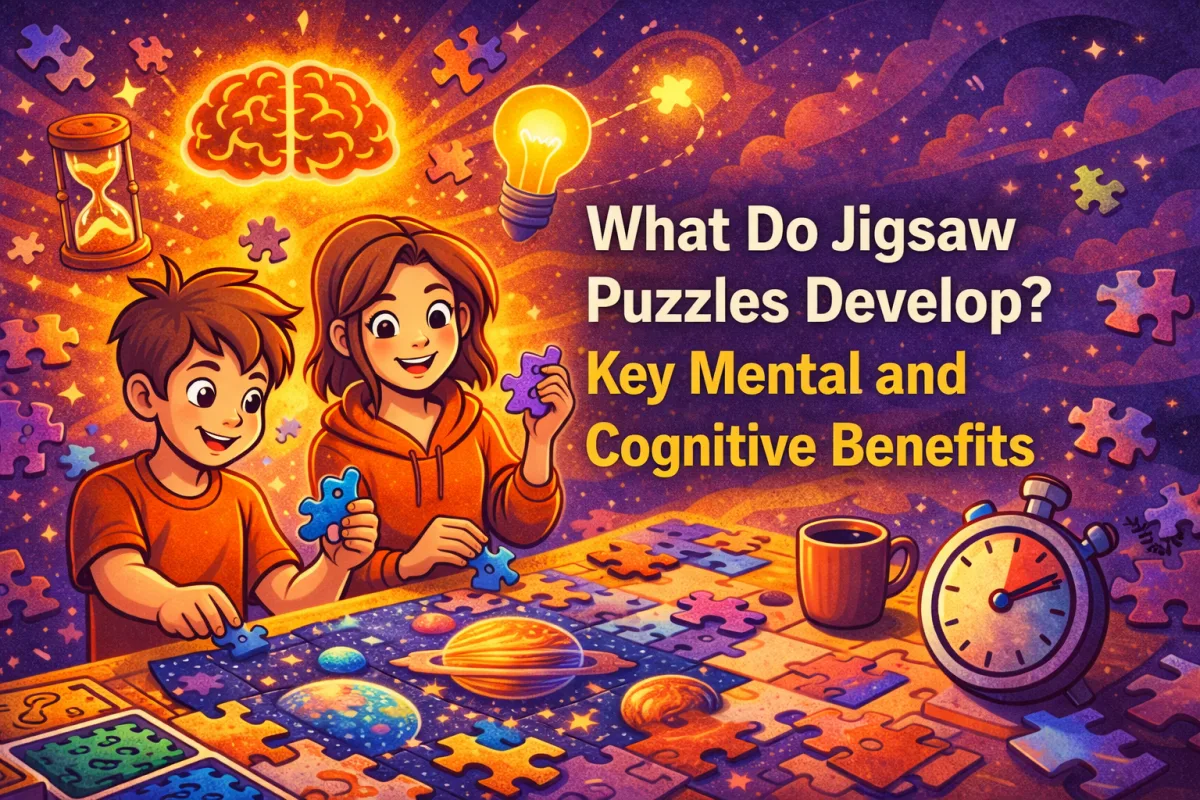
Jigsaw puzzles are often seen as simple entertainment, but in reality they are a powerful tool for developing a wide range of cognitive, emotional, and practical skills. From early childhood to adulthood, puzzles help train the brain in ways that few other activities can. In this article, we’ll break down step by step what exactly puzzles develop, how these skills form, and why regular puzzle solving is beneficial at any age.
How Puzzles Work on the Brain
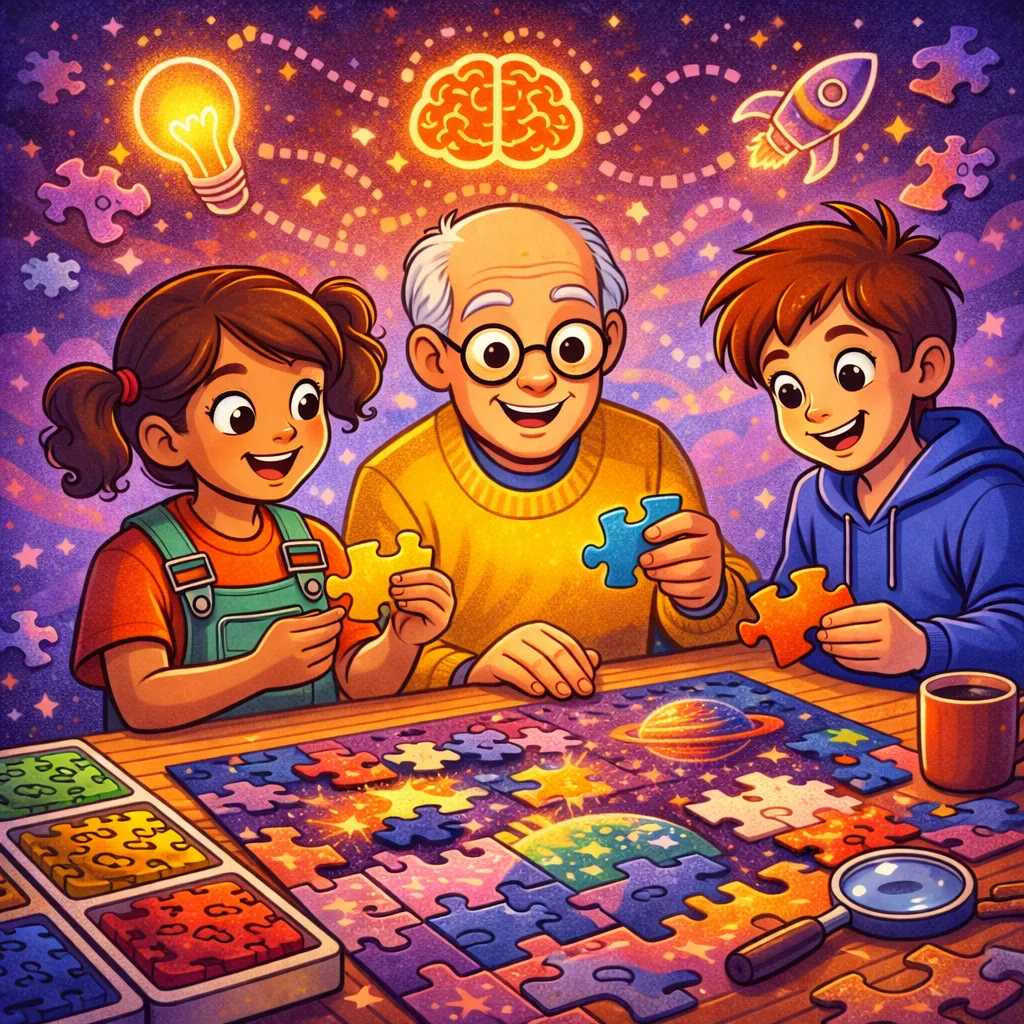
When you solve a jigsaw puzzle, your brain is constantly switching between analysis and creativity. You compare shapes, colors, patterns, and spatial relationships while keeping the final image in mind. This activates multiple brain areas at the same time.
“Puzzle solving is one of the rare activities that naturally engages logic, memory, and imagination together.”
Key Skills That Puzzles Develop
1. Logical Thinking and Problem Solving
Each puzzle is a system of small problems. You test hypotheses, eliminate wrong options, and learn from mistakes. Over time, this strengthens logical thinking and structured problem-solving skills.
2. Visual-Spatial Intelligence
Puzzles significantly improve spatial awareness — the ability to understand how objects relate to each other in space.
- Recognizing shapes and patterns
- Understanding rotation and orientation
- Predicting where a piece might fit
This skill is especially important for fields like design, engineering, architecture, and everyday tasks such as navigation.
3. Memory and Concentration
While solving puzzles, you constantly remember:
- Where certain pieces are located
- Which shapes you’ve already tested
- Color patterns and image fragments
This trains both short-term and working memory, while also improving the ability to stay focused for longer periods.
4. Patience and Emotional Regulation
Puzzles teach patience in a natural way. Progress is gradual, and frustration is part of the process. Learning to stay calm, take breaks, and return with fresh eyes builds emotional resilience.
What Puzzles Develop at Different Ages
For Children
For kids, puzzles are a foundational learning tool.
- Fine motor skills
- Hand–eye coordination
- Early logical thinking
- Color and shape recognition
They also help children learn how to complete tasks independently.
For Teens
Teenagers benefit from puzzles as a form of low-pressure mental training.
- Improved focus in a distraction-heavy environment
- Better planning and strategy
- Stress reduction without screens or social pressure
For Adults
For adults, puzzles help maintain mental sharpness and balance.
- Slowing cognitive decline
- Improving attention span
- Providing structured relaxation
| Skill | How Puzzles Help |
|---|---|
| Memory | Constant recall of shapes and locations |
| Focus | Extended attention on a single task |
| Logic | Testing and refining solutions |
| Emotional balance | Calm, repetitive progress |
Do Digital Puzzles Develop the Same Skills?
Yes. Online and digital puzzles develop the same core abilities as physical ones. In some cases, they offer additional benefits:
- Adjustable difficulty levels
- No physical limitations or setup
- Ability to solve more puzzles in less time
- Immediate feedback and undo options
Platforms like PuzzleFree.Game allow players to practice regularly, switch themes, and train the brain consistently without cost or barriers.
Why Puzzles Are Especially Valuable Today
In a world full of fast content, notifications, and constant stimulation, puzzles offer something rare: slow, focused thinking. They help the brain recover from information overload while still staying active.
Conclusion: More Than Just a Game
Puzzles develop far more than most people realize. They strengthen logic, memory, focus, patience, and emotional stability — all through an enjoyable and accessible activity. Whether physical or digital, puzzles remain one of the most effective and natural ways to train the brain at any age.