PuzzleFree
Why Adults Prefer Jigsaw Puzzles in 2025-2026
December 10, 2025
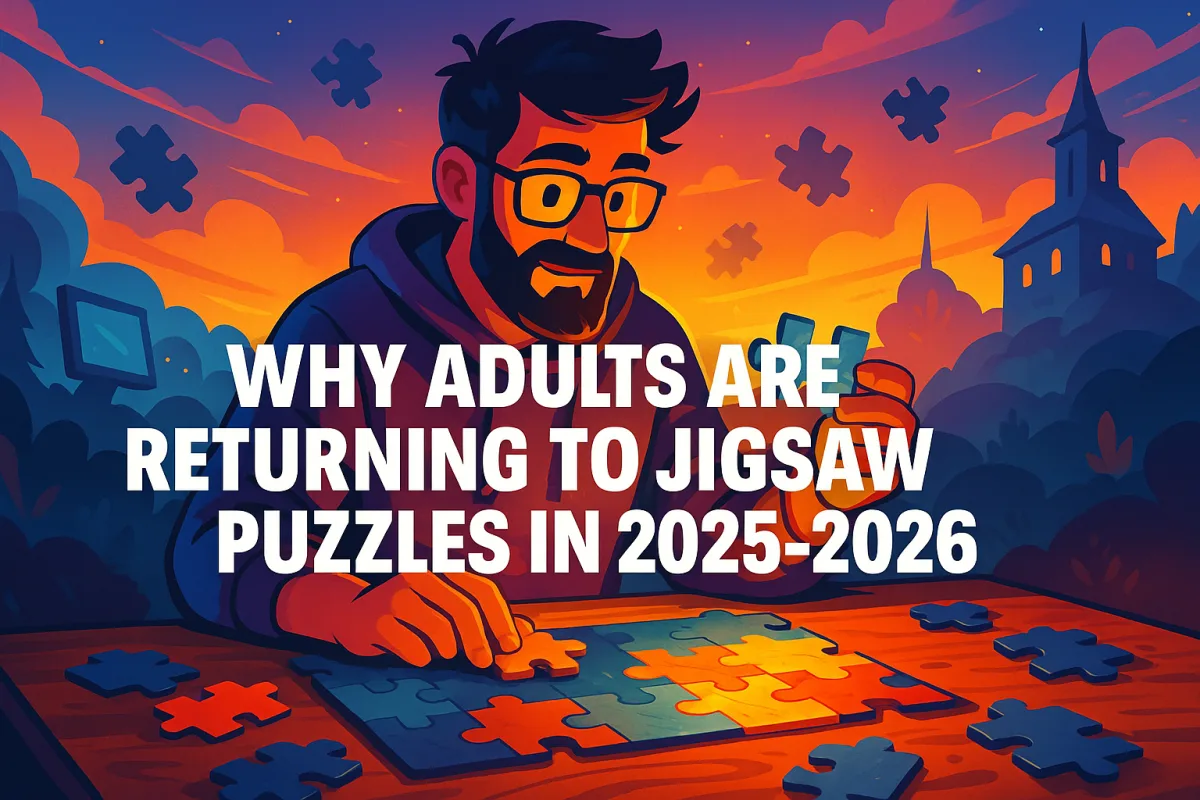
Over the last few years, jigsaw puzzles have transformed from a nostalgic childhood activity into one of the most popular wellness hobbies among adults. In 2025–2026, this trend is accelerating even faster, driven by a mix of neuroscience, digital innovation, and the growing need for meaningful offline experiences. Today’s adults are turning to jigsaw puzzles for stress relief, cognitive training, and pure creative joy — but the underlying reasons go much deeper. This article explores why puzzles are making such a powerful comeback and how they fit into modern lifestyle and mental health trends.
The New Appeal of Jigsaw Puzzles for Adults
Modern life is filled with constant digital noise. Notifications, multitasking, and endless content streams leave the brain overloaded. Jigsaw puzzles offer the opposite: a calm, structured activity that engages the hands and mind without overwhelming them. Adults crave this balance, and puzzles deliver it naturally.
Escape from Digital Fatigue
Many adults experience “attention fragmentation,” a condition where constant switching between tasks reduces focus and mental clarity. Puzzles counteract this by encouraging deep, sustained concentration. Assembling pieces creates a flow-state — a period of focused immersion proven to reduce stress and restore cognitive energy.
“Puzzles give adults a rare mental space where progress feels measurable, calm, and satisfying.”
Nostalgia with a Purpose
Nostalgia is a powerful emotional driver. Puzzles remind adults of slower, simpler times, yet today’s puzzles combine childhood comfort with measurable cognitive benefits. This blend of emotional grounding and intellectual engagement makes puzzles uniquely satisfying.
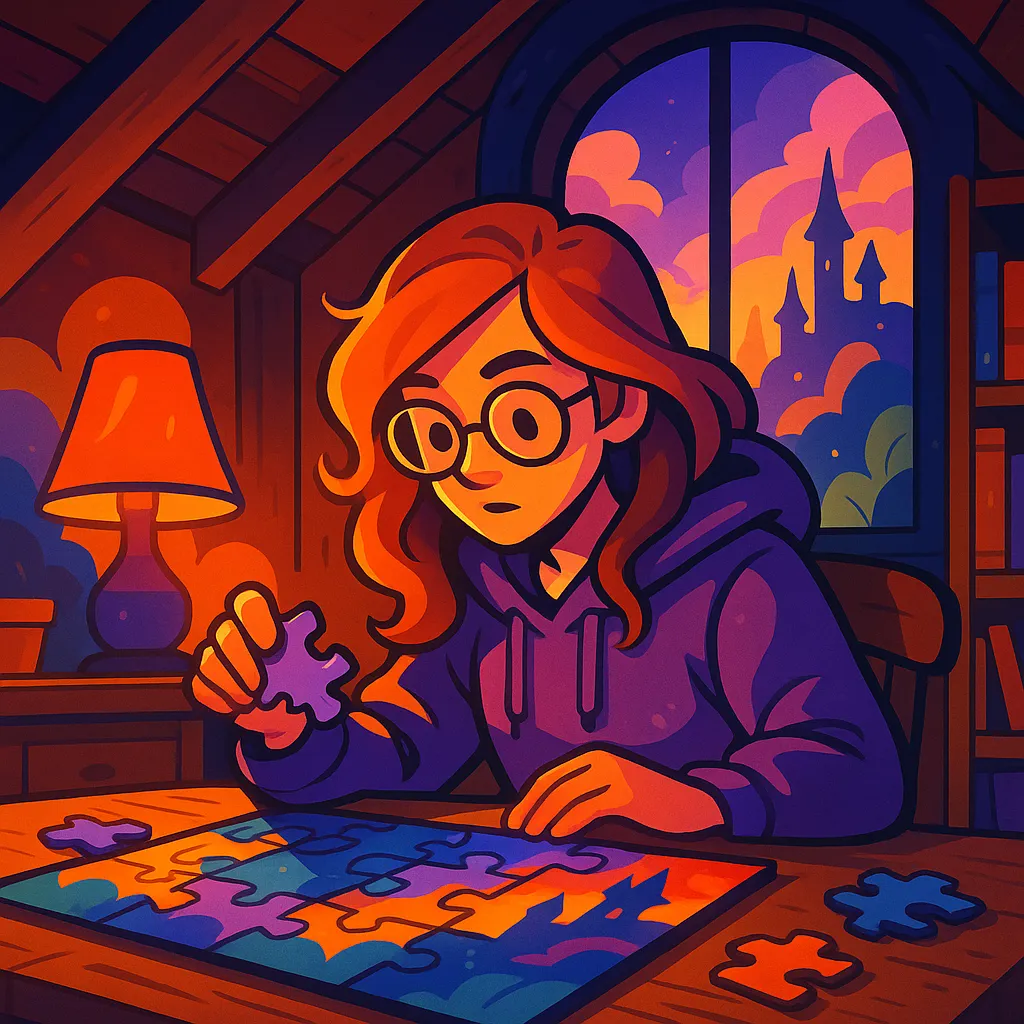
The Science Behind the Puzzle Comeback
Jigsaw puzzles stimulate both hemispheres of the brain. The left side handles logic, sequencing, and problem-solving, while the right side manages creativity, color, and spatial intuition. This dual activation increases memory retention, strengthens focus, and enhances neuroplasticity — all benefits adults actively seek today.
Benefits Supported by Cognitive Research
| Benefit | Cognitive Impact |
|---|---|
| Improved Focus | Reduces mental noise and strengthens sustained attention |
| Memory Enhancement | Engages short-term and working memory through pattern recognition |
| Stress Reduction | Activates calming neural pathways and reduces cortisol |
| Spatial Reasoning | Strengthens the ability to visualize structure and shape |
Modern Puzzle Culture: Why It’s Growing Now
The puzzle revival is not just psychological — it's cultural. Adults in 2025–2026 are seeking experiences that feel personal, mindful, and meaningful. Puzzles check all these boxes.
The Rise of “Slow Hobbies”
After years of high-speed digital living, slow hobbies are gaining momentum. People want activities that feel tactile, deliberate, and free from screens. Jigsaw puzzles fit perfectly into this shift.
Beautiful New Puzzle Designs
Puzzle art has evolved dramatically. Indie artists and illustrators now produce stunning visuals optimized for assembly. From fantasy landscapes to minimalist geometry, puzzles have become art pieces rather than simple toys.
Customization and Personalization
Adults love custom puzzles based on personal photos, travel memories, pets, or digital artwork. This trend makes puzzle-solving highly personal and emotionally rewarding.
The Impact of Digital Puzzle Apps
Digital puzzle platforms in 2025–2026 are not just convenience tools — they are sophisticated cognitive training environments. Apps offer adaptive difficulty, guided solving modes, and large libraries of artwork that would be impossible to access physically.
Why Digital Puzzles Are So Popular
- Instant access to thousands of puzzle designs
- No physical space or storage required
- Difficulty levels can scale automatically
- Perfect for short breaks during work
- Analytics track speed, focus, and patterns
The Hybrid Approach
Many adults combine both physical and digital puzzles, using apps for quick daily sessions and physical puzzles for weekend relaxation. This hybrid approach keeps puzzle-solving fresh, accessible, and habit-forming.
Community, Connection, and Social Trends
Jigsaw puzzles are surprisingly social. Adults enjoy solving puzzles together in cafes, coworking spaces, and online puzzle communities. Shared problem-solving creates bonding, conversation, and a sense of accomplishment.
Why Puzzle Communities Matter
- They provide motivation and accountability
- They make puzzles a shared experience rather than a solitary one
- They encourage creative exploration (e.g., custom puzzle art)
- They support mindful, screen-free socializing
Conclusion: A Practical and Meaningful Return
Adults are returning to jigsaw puzzles in 2025–2026 because puzzles offer something rare in modern life: an activity that is calming, intellectually stimulating, beautiful, and emotionally grounding. Whether solved physically or digitally, puzzles provide a structured escape from digital noise, strengthen cognitive skills, and create meaningful moments of focus and creativity. As life becomes more complex, the simple act of fitting two pieces together feels more rewarding than ever.