PuzzleFree
Why Copyright Limits Movie & Cartoon Puzzles
December 31, 2025
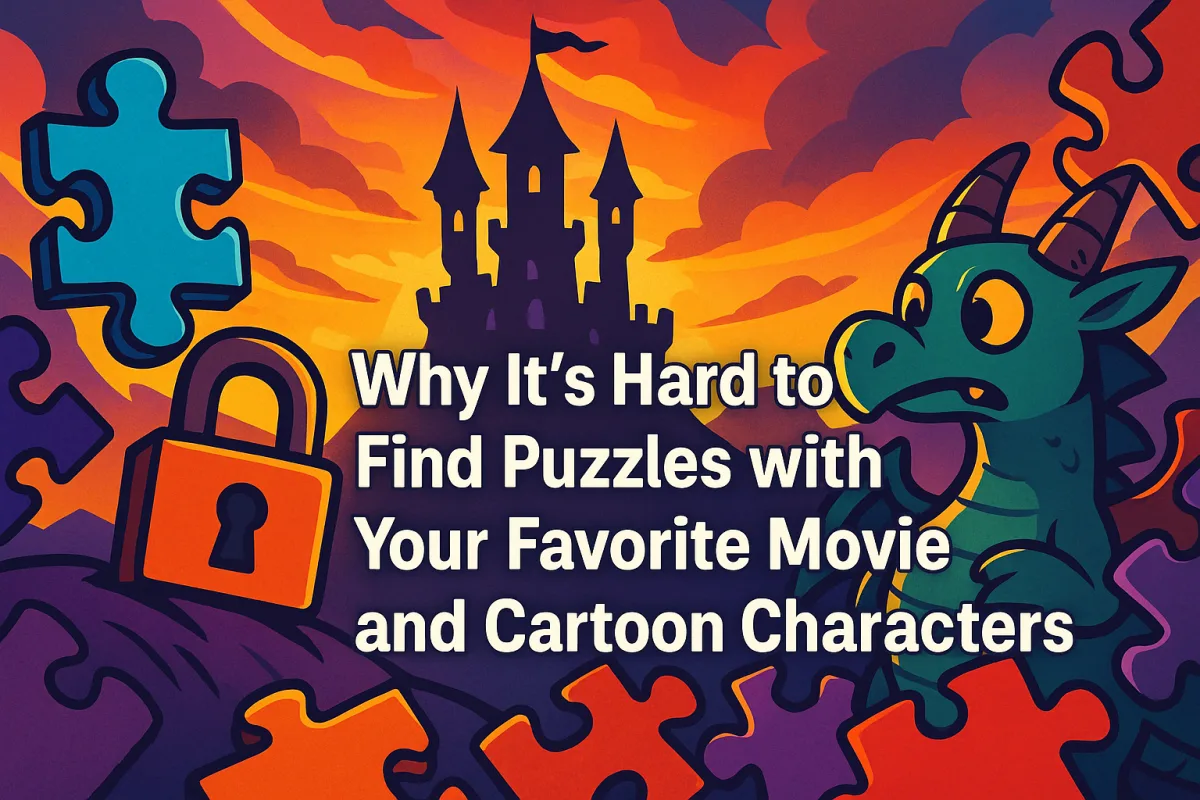
Many puzzle fans have faced the same frustration: you want a jigsaw puzzle with your favorite movie or cartoon character, but the selection is extremely limited, overpriced, or simply unavailable. Popular heroes from films, animations, and TV series rarely appear in puzzle collections — and when they do, they are often hard to find. The reason behind this is not a lack of demand. It’s copyright. In this article, we’ll explain step by step why licensed character puzzles are so rare, how copyright restrictions work, and why online puzzle platforms offer a smarter alternative.
The High Demand for Character-Based Puzzles
Movie and cartoon characters have strong emotional value. People want puzzles featuring heroes they grew up with, characters their kids love, or iconic scenes from famous films. These puzzles feel personal and nostalgic, which makes them especially attractive as gifts or family activities.
So why aren’t stores full of puzzles with superheroes, animated princesses, or classic movie characters?
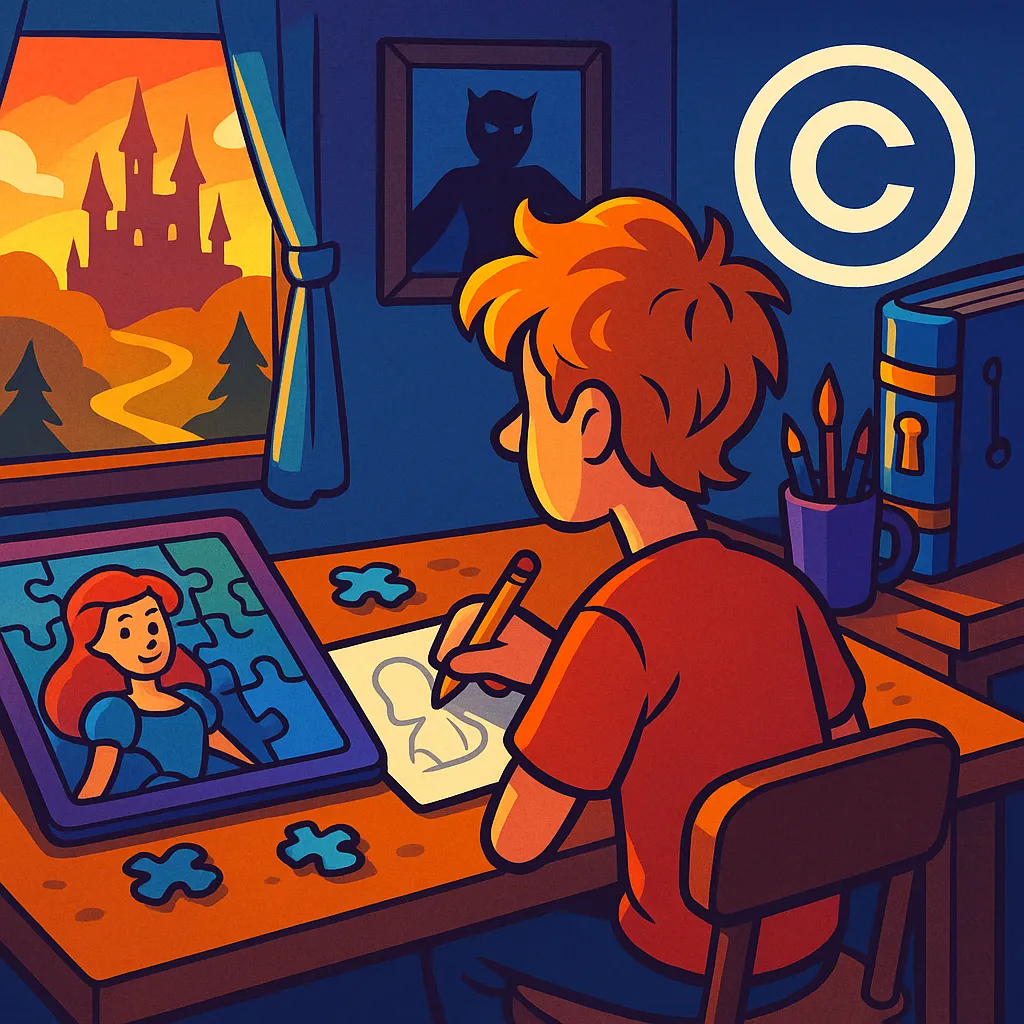
The Core Reason: Copyright and Licensing
Most movie and cartoon characters are protected by intellectual property laws. This means no company is allowed to use those characters commercially without explicit permission from the rights holder.
What Copyright Protects
- Characters and their visual appearance
- Movie stills and scenes
- Logos, symbols, and names
- Art styles closely associated with a franchise
Even if an image is publicly visible online, it does not mean it can legally be printed on a puzzle box.
Licensing Is Expensive and Complex
To legally produce a puzzle with a famous character, a manufacturer must purchase a license. These licenses are usually:
- Very expensive
- Limited to specific regions
- Restricted by time
- Controlled by strict brand guidelines
For many puzzle companies, licensing costs are higher than production costs. As a result, only large brands can afford these deals — and even they release limited editions.
“Licensing a single popular character can cost more than producing thousands of puzzle boxes.”
Why Licensed Puzzles Are Rare and Expensive
Because of licensing restrictions, puzzles with movie and cartoon heroes usually come with compromises.
| Issue | Impact on Puzzles |
|---|---|
| High license fees | Higher retail prices |
| Limited approvals | Few designs available |
| Brand restrictions | No creative freedom |
| Short-term licenses | Puzzles disappear quickly |
This is why a 1000-piece licensed puzzle can easily cost two to three times more than a regular one — and still offer only a single image choice.
Why Small Studios Avoid Licensed Characters
Independent puzzle creators and smaller brands rarely work with movie franchises. Licensing negotiations can take months, involve lawyers, and require minimum production volumes that are risky for small teams.
Instead, most creators focus on original artwork, landscapes, or generic fantasy scenes — not because they don’t like famous characters, but because copyright law leaves them no choice.
The Online Puzzle Advantage
Online puzzle platforms operate under different rules. Many allow users to play puzzles without selling printed products, reducing legal risks. However, even online platforms must be careful with copyrighted content.
This is where platforms like PuzzleFree.game take a responsible approach.
How PuzzleFree.game Solves the Problem
- Focuses on original artwork and licensed-safe content
- Offers thousands of puzzles without copyright conflicts
- Allows users to enjoy variety without legal limitations
- Provides AI-generated images that avoid copyright issues
Instead of chasing expensive licenses, PuzzleFree.game invests in creativity, variety, and accessibility.
Why AI and Original Art Are the Future
AI-generated and original illustrations allow puzzle platforms to deliver fresh content daily without violating copyright. These images are inspired by popular themes — fantasy, adventure, animation styles — but do not copy protected characters.
This approach benefits players by offering:
- Unlimited new puzzles
- No regional restrictions
- Free or low-cost access
- Creative themes without legal barriers
Conclusion: It’s Not About Demand — It’s About Rights
The reason you can’t easily find puzzles with your favorite movie or cartoon heroes isn’t a lack of interest. It’s the reality of copyright law and expensive licensing systems. Physical puzzles with famous characters are rare, costly, and limited by design.
Online platforms like PuzzleFree.game offer a modern solution: legally safe, endlessly varied puzzles that capture the spirit of entertainment without crossing copyright boundaries. In a world of strict intellectual property rules, creativity — not imitation — is what keeps the puzzle world growing.