PuzzleFree
Jigsaw Puzzles for Stress Relief: Calm, Focus, Wellness
December 9, 2025
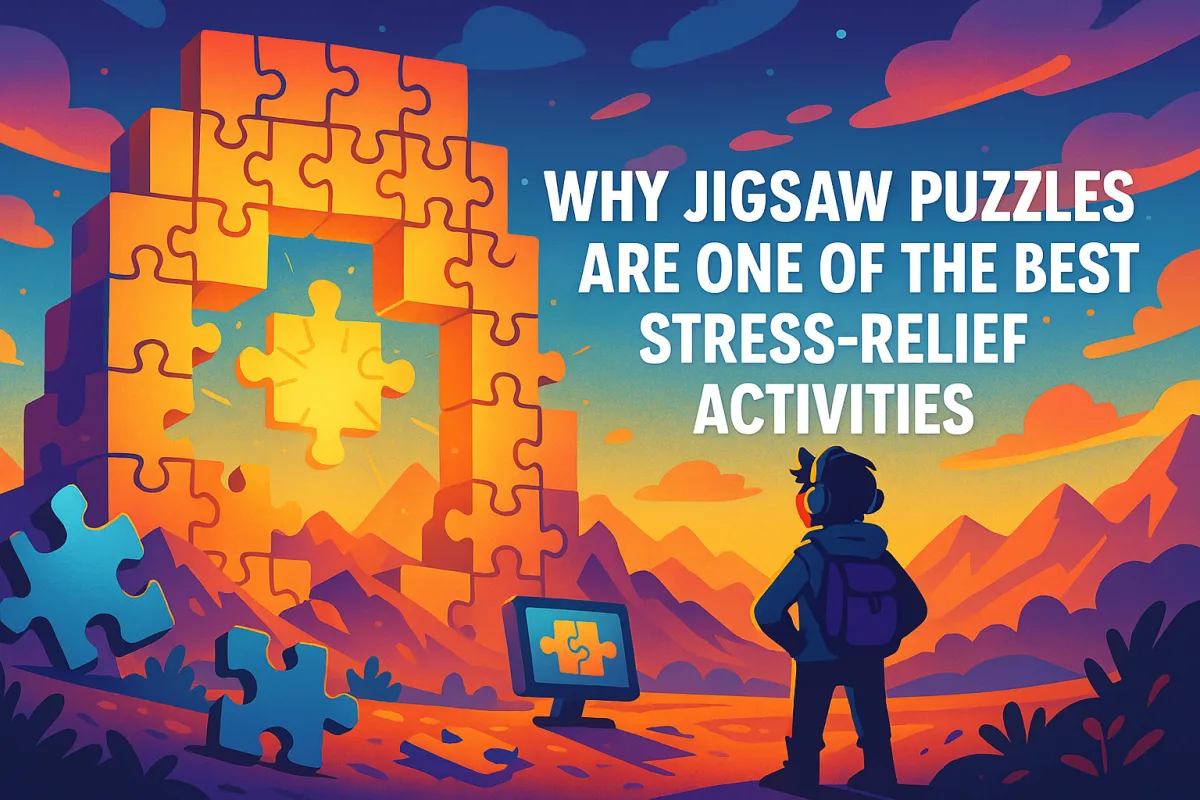
In a world full of fast notifications, constant multitasking, and digital overload, people are searching for simple activities that help them unwind. Jigsaw puzzles have quietly become one of the most effective stress-relief tools available today. They combine calm focus, tactile engagement, and a pleasant sense of progress. Below is a practical, semi-technical look at why puzzles work so well, supported by psychology, cognitive science, and real user experience.
The Science Behind Puzzle-Based Stress Relief
At the core of stress relief is a shift from an overwhelmed mental state to one of gentle, controlled concentration. Jigsaw puzzles naturally guide your mind into that state. Assembling pieces activates both hemispheres of the brain: the logical left side (patterns, sequences) and the creative right side (shapes, colors, spatial intuition). This balanced brain activity produces a measurable calming effect.
The Flow State Effect
Many puzzle enthusiasts describe entering a “flow state” — a mental zone where time seems to disappear.
“Flow happens when the challenge is just right for your skills. Puzzles are almost perfectly engineered for that balance.”
When your mind enters flow, levels of cortisol (the stress hormone) naturally decrease. This makes puzzle-solving comparable to meditation or controlled breathing exercises.
How Jigsaw Puzzles Calm the Nervous System
Puzzle activity works as a passive form of mindfulness. You’re not forcing yourself to meditate — you’re simply connecting shapes, colors, and patterns. This is enough to slow down internal tension and activate the parasympathetic nervous system.
Sensory Grounding Through Visual Patterns
Jigsaw puzzles rely on visual scanning and gentle hand-eye coordination. These predictable, low-pressure actions help ground your thoughts and interrupt anxious loops.
A Gentle Cognitive Load
The brain likes a task that is engaging but not overwhelming. This “gentle load” keeps your attention stable without causing fatigue. It’s similar to walking, knitting, or painting — activities known for therapeutic effects.
Why Puzzle Themes Matter for Stress Relief
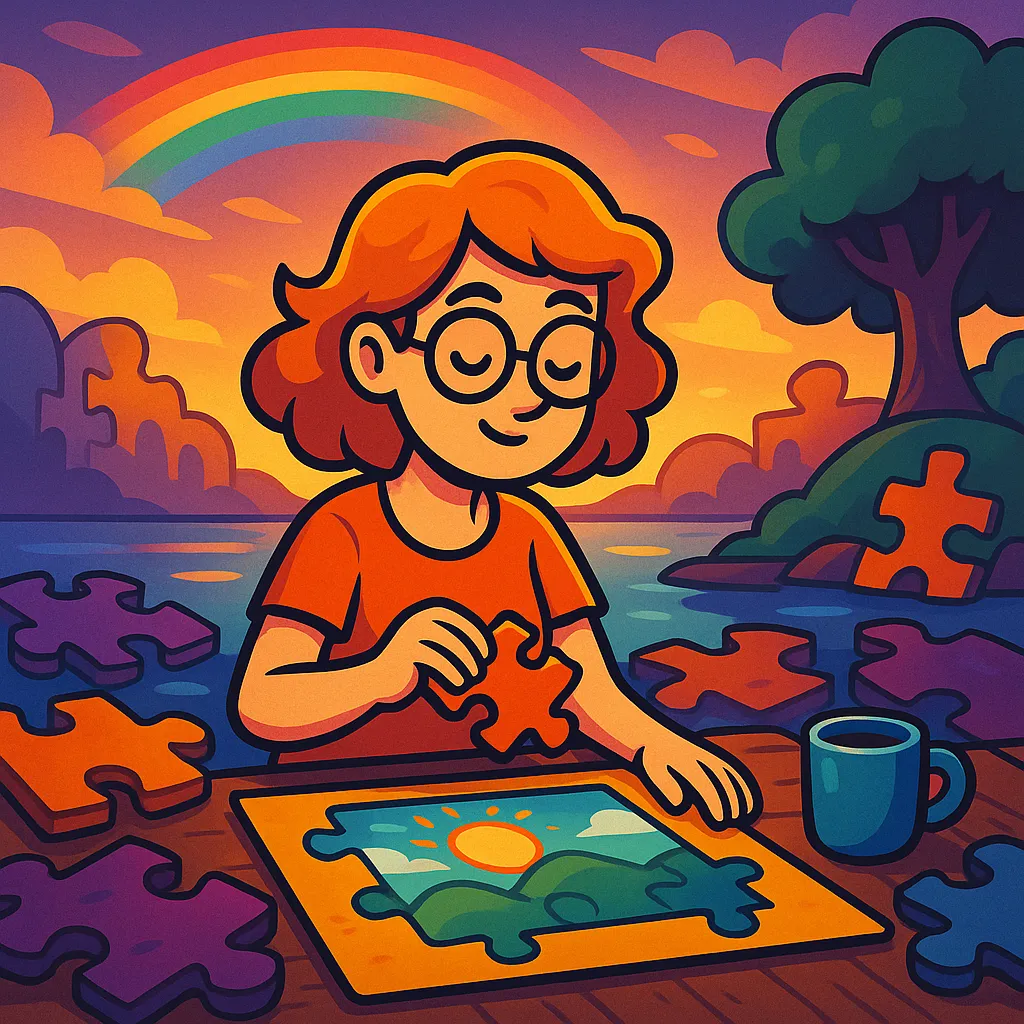
The choice of puzzle image influences the emotional tone of the experience. Calming landscapes, soft colors, pets, or cozy interiors typically create stronger relaxation effects. High-contrast or chaotic images provide stimulation but may feel less soothing.
| Puzzle Theme | Stress-Relief Benefit |
|---|---|
| Nature Landscapes | Reduces anxious thinking, promotes visual calmness |
| Animals & Pets | Creates comfort, warmth, and emotional softness |
| Abstract Calm Colors | Helps maintain focus without overstimulation |
| Holiday or Cozy Scenes | Triggers positive associations and nostalgia |
How Puzzles Support Daily Mental Wellness
Regular puzzle-solving can become a small but powerful self-care ritual. Even 10–15 minutes per day is enough to feel benefits.
Building a Stress-Relief Routine
- Do a small puzzle section each evening.
- Use puzzles as a break from long computer sessions.
- Keep a calming puzzle near your workspace.
- Pair puzzles with quiet music or tea for extra relaxation.
Benefits for Sleep
Puzzles help transition your mind out of “active problem-solving mode,” making them ideal before bedtime. A calm brain falls asleep faster and stays asleep longer.
Digital Puzzles: A Modern Alternative
For many people, digital jigsaw puzzles provide the same benefits without needing physical space. Modern puzzle apps include features like difficulty levels, guided edges, and soothing artwork that make the experience approachable for beginners.
Why Digital Puzzles Are Great for Stress Relief
- No cleanup or missing pieces
- Adjustable difficulty to match your mood
- Portable stress relief anywhere — train, office, airplane
- Instant access to calming artwork collections
Conclusion: A Surprisingly Powerful Stress Tool
Jigsaw puzzles may look simple, but their effect on the mind is significant. They promote focus, balance the brain, reduce cortisol, and create a mindful, peaceful rhythm. Whether you’re completing a physical puzzle on a weekend or relaxing with a digital version during a break, puzzles offer one of the most accessible forms of stress relief available today.